Average Reviews:

(More customer reviews)First of all, if you are buying this product, my heart goes out to you for having to deal with CRF in your pet, and please be hopeful--even very severe cases of renal failure can be stabilized. My cat was dx'd with Stage IV CRF so severe that euthanasia was insisted upon by two vets...and is now stable and doing fine over a year later.
I use Epakitin, but I *alternate* it with safer phosphorus binders that are more of a hassle to dose (Mylanta) because my cat developed metabolic alkalosis from exclusive use of Epakitin.
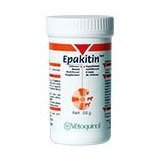
Epakitin is milled calcium carbonate (teacher's chalk) which binds phosphorus. I think Epakitin is safe for animals in the *early stages* of kidney failure rather than acute or late stage renal failure, in which carbonate levels can rise quickly and be fatal. All animals in kidney failure require maintenance phos binders with their food, but if your pet is in Stage IV of renal failure, Epakitin may suddenly and dangerously raise carbonate levels, raising the blood pH (metabolic alkalosis)--resulting in a sick, anorexic and eventually comatose pet--ask your veterinarian about the potential for alkalosis before administering this medicine. I would especially caution anyone with a Stage IV CRF pet in an unstable condition, with vomiting and bowel trouble, from using Epakitin on a 2X daily basis.
About using Epakitin instead of Mylanta because of "taste" and ease of use. The most powerful phos binders are aluminum and magnesium hydroxide, found in most OTC antacids. These compounds convert to water rather than a base when they bind phosphorus, so they are more likely to keep your pet's blood in a safe pH range. I know many dogs fancy mint (eat your toothpaste, anyone?) but cats ABHOR the safer Maalox and Mylanta ("Classic" is least minty) and you will naturally want to turn to Epakitin when they shred your face trying to dose them with Mylanta. Not so fond of it myself. But it is the first thing I grab when I have heartburn. So I have to say "too bad, so sad," and syringe Mylanta. I've learned the hard way to wrap the cat barbershop-style in a thick towel with a strong binder clip behind the head and use a 5 ml syringe with a solid plastic plunger (rubber plunger syringes stick and do not last). Every cat in the world will knock a syringe across the room and whatever you squirt in their mouth turns them Linda Blair in "The Exorcist." The Mylanta ordeal just takes a few minutes, and then the cat and I go on with our lives.
If your pet is really sick, *please* be careful with Epakitin and do not administer it twice daily--I reckon you just dropped some serious $ at the vet and won't be having labs checked in the short time it takes for alkalosis to develop.
I highly recommend Vetoquinol's other product, Azodyl, even though it's ridiculously expensive. The magic ingredient in it is psyllium husk, so if you are financially strapped you can get psyllium husk from the health food store for pennies. My 17 year-old CRF cat kept crashing until I started mixing Azodyl in her food with 1/4 tsp of extra psyllium added.
Click Here to see more reviews about: Epakitin for Dogs and Cats, 50 gm
 Get 19% OFF
Click here for more information about Epakitin for Dogs and Cats, 50 gm

0 comments:
Post a Comment